
Solar System and Planetary Materials
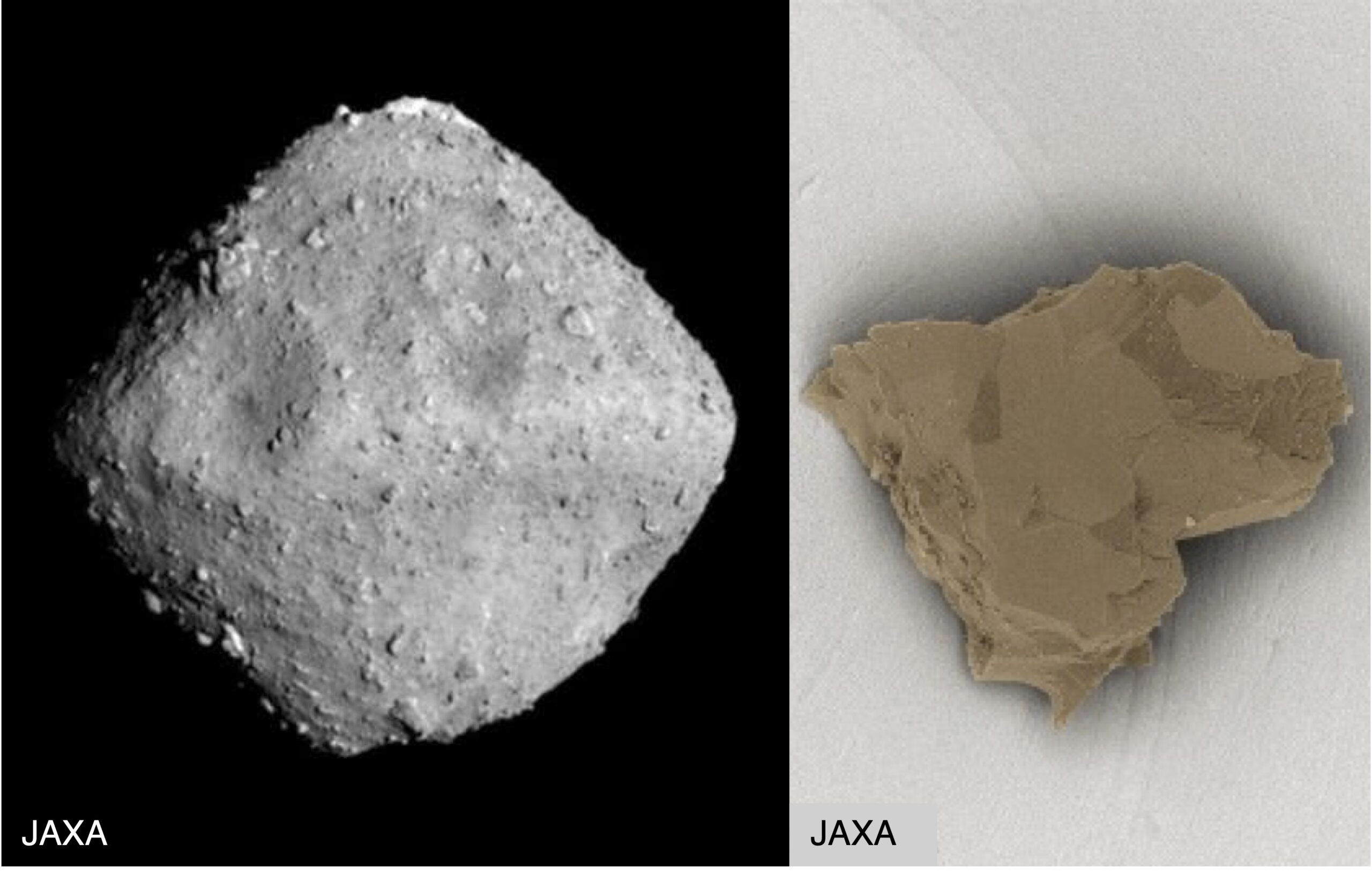
The origins of the Earth, water, and life are closely related to the origin of the solar system. We are investigating the origin and early evolution of the solar system, and the origins and delivery of extraterrestrial organic matter, through analysis of meteorites and extraterrestrial materials sampled by spacecraft, as well as laboratory simulation experiments.
Tomoki Nakamura, Daisuke Nakashima, Megumi Matsumoto, Driss Takir
Nicolas Dauphas
Earth’s Materials and Interior
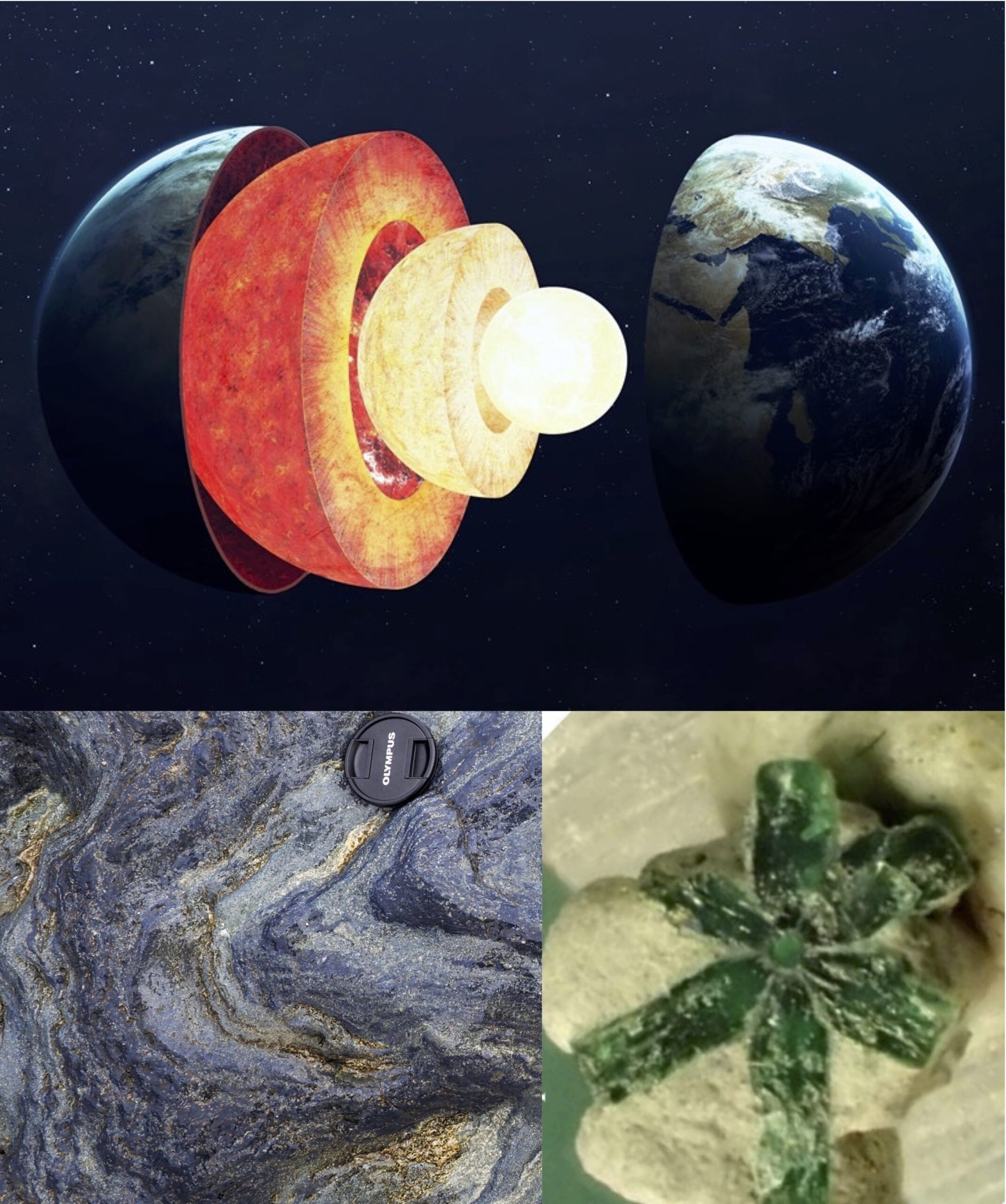
Understanding the past and present of the Earth in detail is essential for predicting its future. We study a variety of natural samples and experimentally synthesized materials using advanced tools such as electron microscopy, synchrotron X-ray diffraction, and neutron diffraction to understand the structure, stability, physicochemical properties, and formation mechanisms of constituent materials (rocks and minerals) from the Earth’s surface to its deepest depths.
Tatsuki Tsujimori, Naoko Takahashi
Naoto Hirano, Akio Goto, Tsuyoshi Miyamoto
Michihiko Nakamura, Satoshi Okumura, Keishiro Azami
Earthquake, Volcano, and Natural Hazards
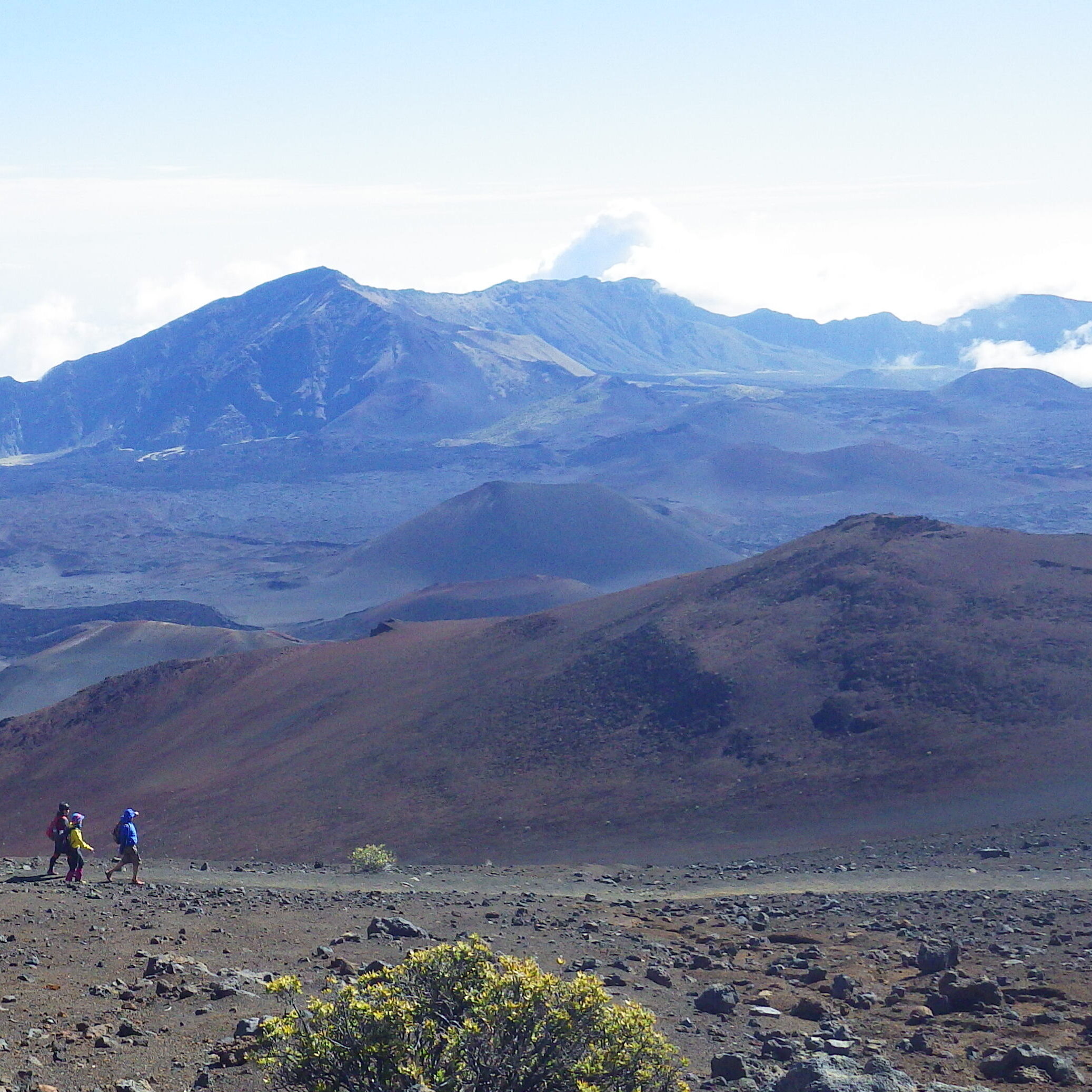
Earth is an active planet, driving dynamic geological phenomena on its surface, such as earthquakes and volcanism. We are studying the mechanisms of earthquakes, the tsunamis they generate, and volcanic eruptions. At the same time, we are engaged in forecasting earthquakes, tsunamis, and volcanic eruptions, as well as conducting hazard assessments.
Hiroyuki Nagahama, Jun Muto, Sando Sawa
Michihiko Nakamura, Satoshi Okumura, Keishiro Azami
Shinji Toda, Daisuke Sugawara, Yo Fukushima, Takashi Ishizawa, Takayuki Takahashi
Paleoenvironments, Origin and Evolution of Life
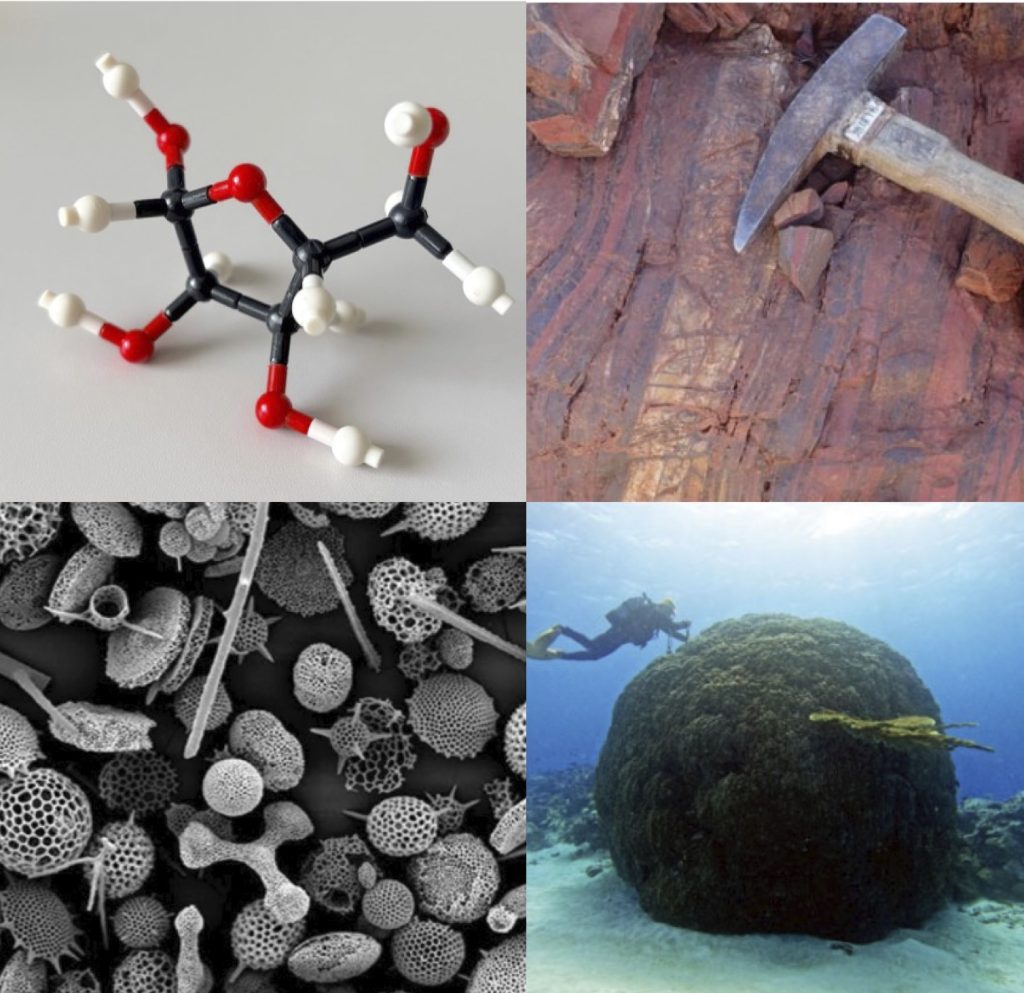
The Earth is the sole habitable planet we know. Early Earth environments gave rise to primitive life, followed by the co-evolution of life and Earth through interactions over billions of years. We are investigating the origin and early evolution of life and the transitions of environments and life across the past, present, and future.
Takeshi Kakegawa, Yuya Tsukamoto
Ryuji Asami, Hideko Takayanagi
Earth’s Surface, Resources, and Geo-human Environment
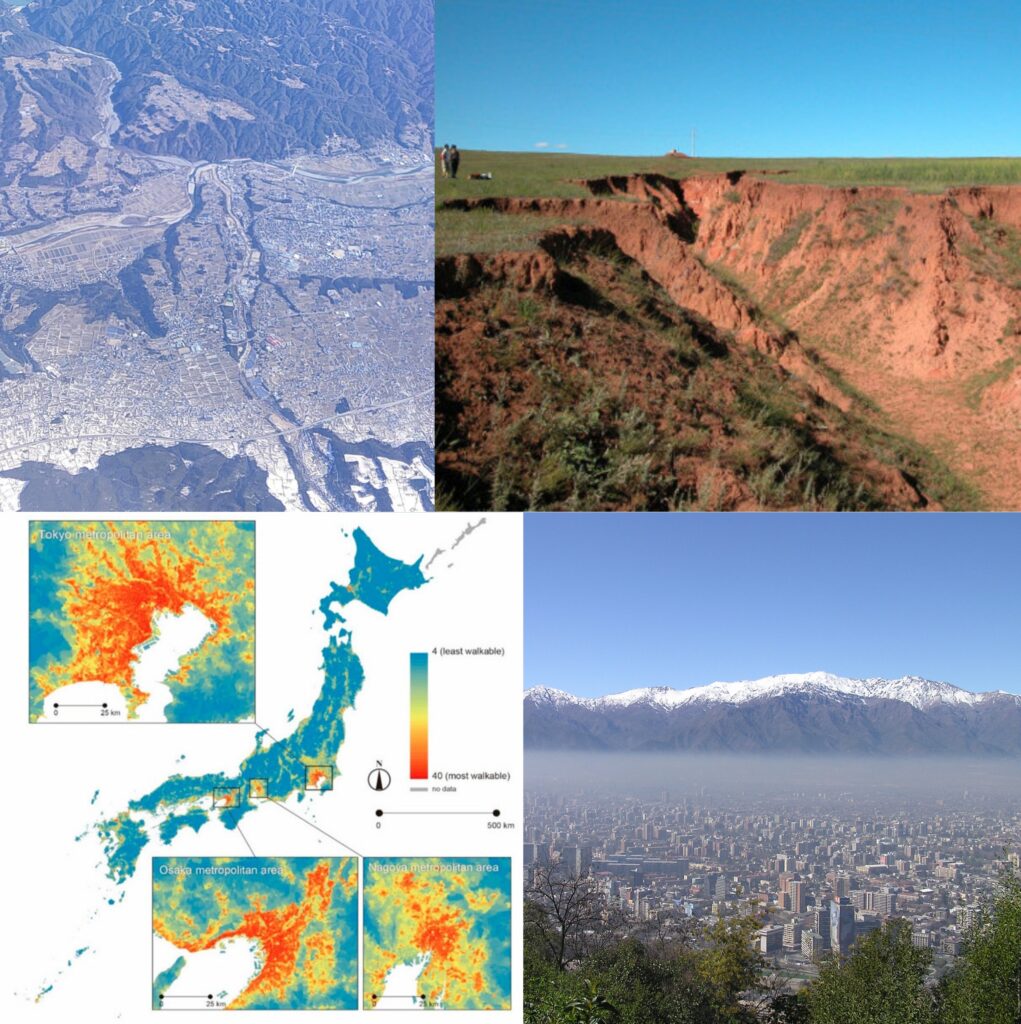
The morphology of the Earth’s surface, where humans live, has been constantly changing under the forces of running water, earthquakes, eruptions, and gravity. Ore deposits from which the resources essential to our daily lives are mined record the history of the Earth. We clarify their formation processes and evolution through field surveys, experiments, numerical analysis, and sample analysis. We also study the relationships between humans, places, and the environment, as well as their interactions, using qualitative and quantitative surveys along with spatial analysis.
Kazuaki Hori, Yoshinori Otsuki, Naoya Takahashi
Tomoki Nakaya, Yuzuru Isoda, Ryohei Sekine


